

Investigating Relationships between Planting Design and Mental Well-being on College Campus
Campus planting design can shape more than appearance. It may also influence how students feel, recover attention, and experience mental well-being.
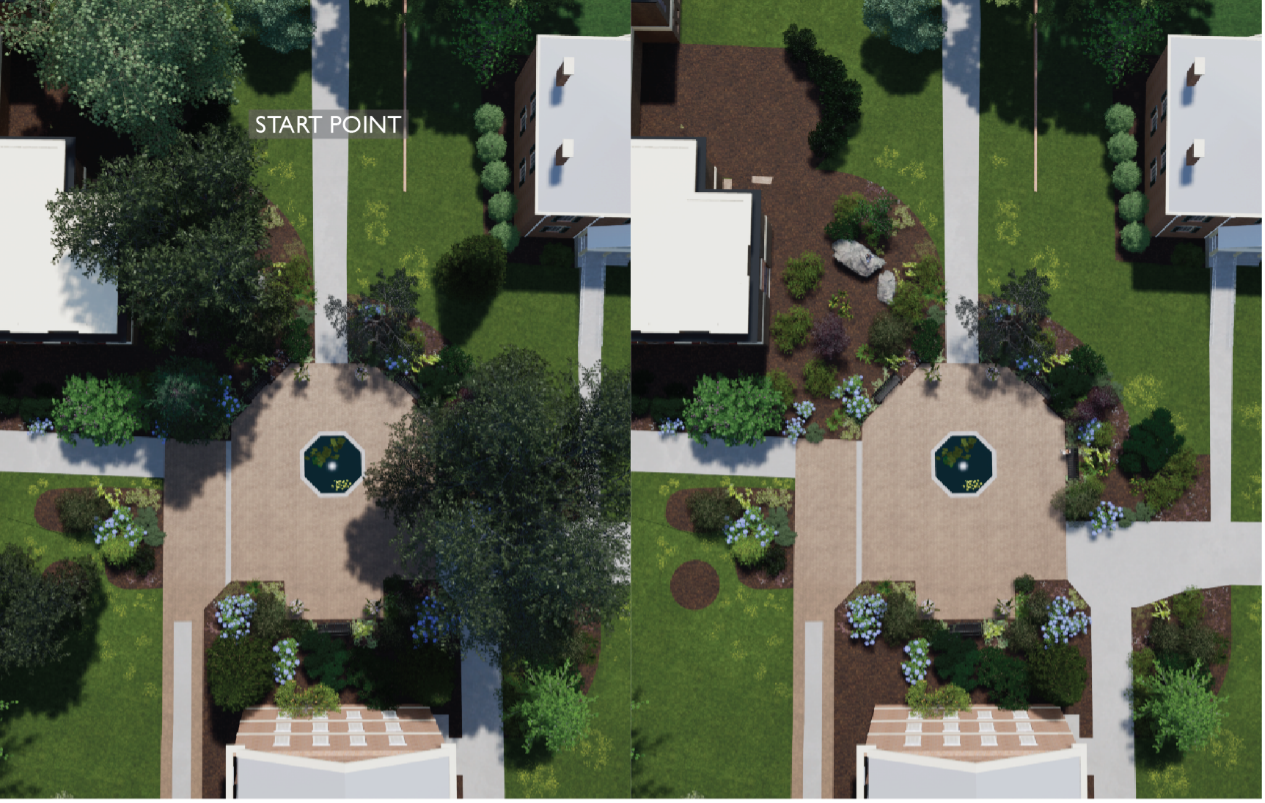
Aerial view of a traditional environment- left with trees and right without
How might therapeutic planting design support student mental well-being on college campuses?
Aerial view of therapeutic environment
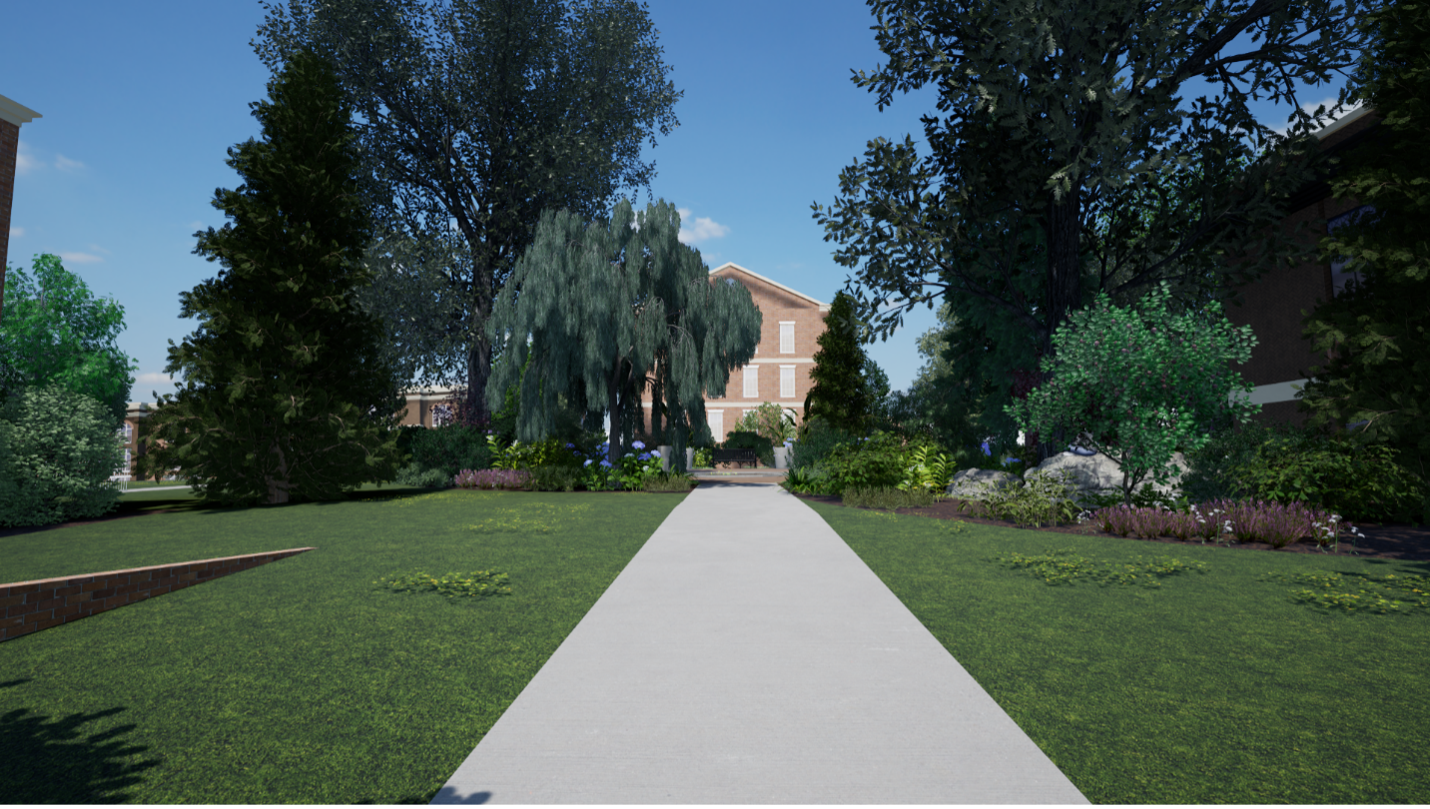
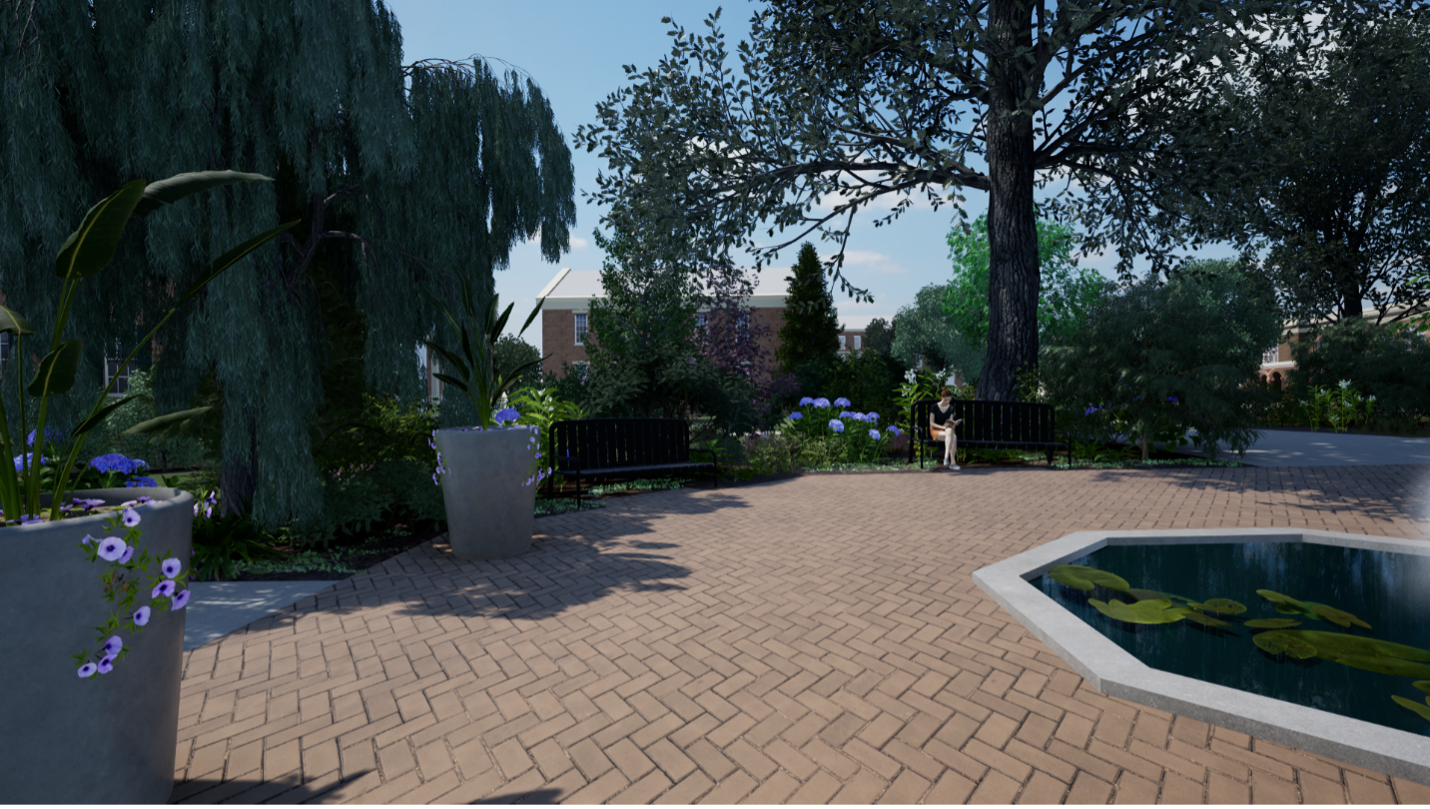
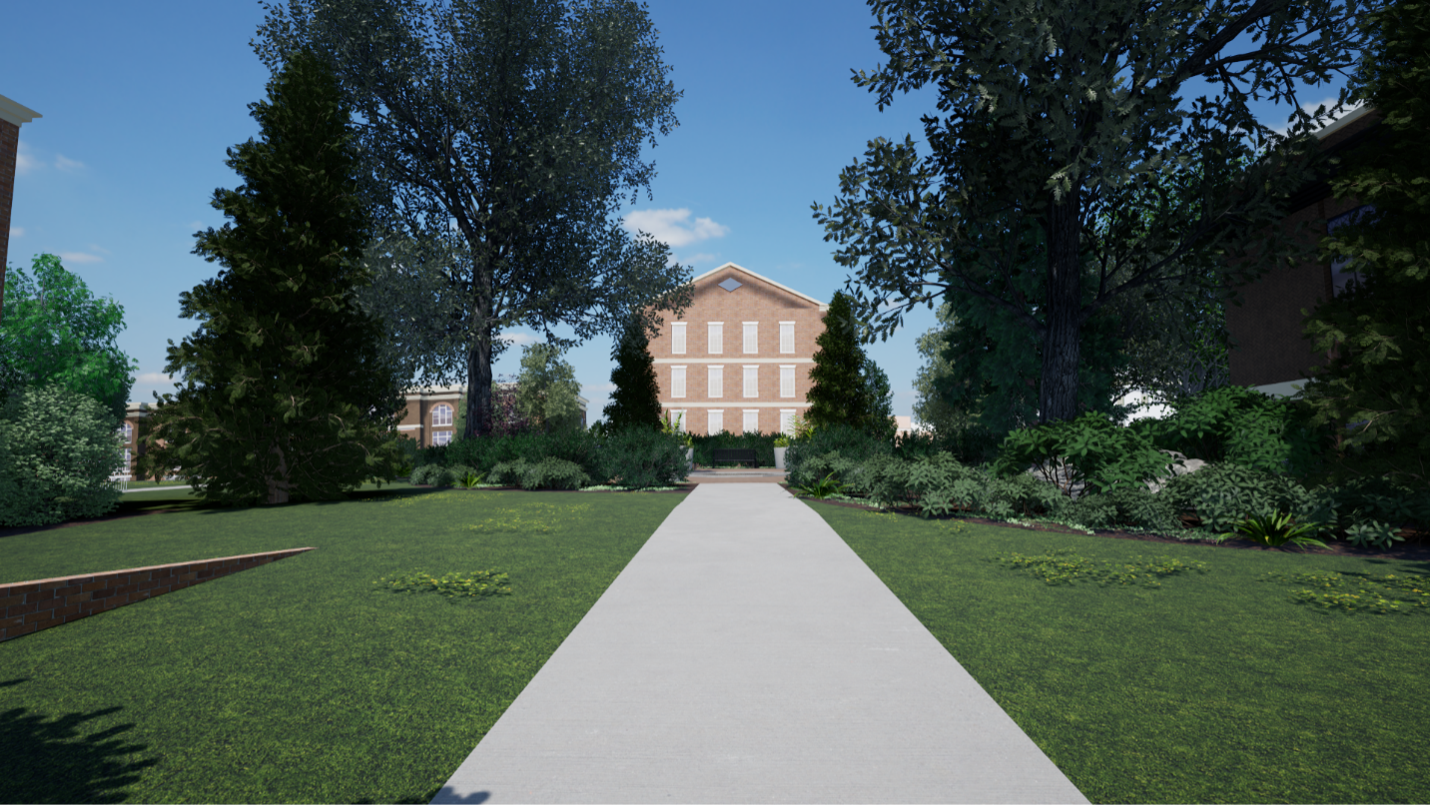
Participants’ view of the therapeutic site at the start of the video
Participants explored one of two campus environments in VR and then reported how restorative, relaxing, and supportive the space felt.
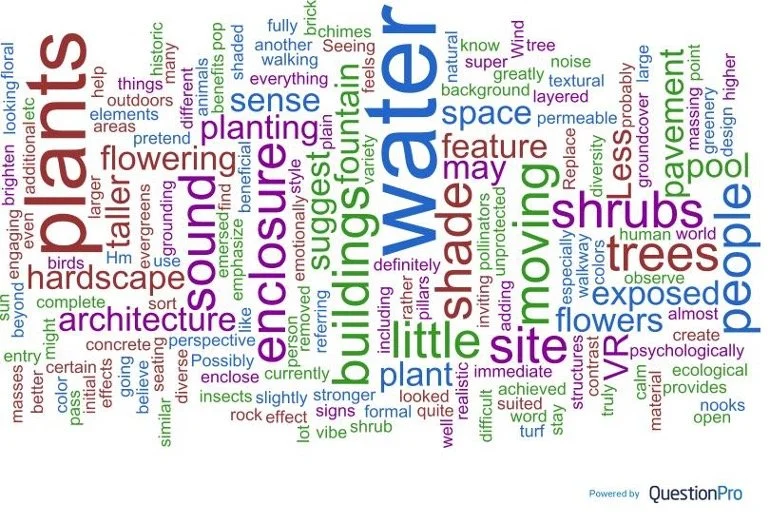
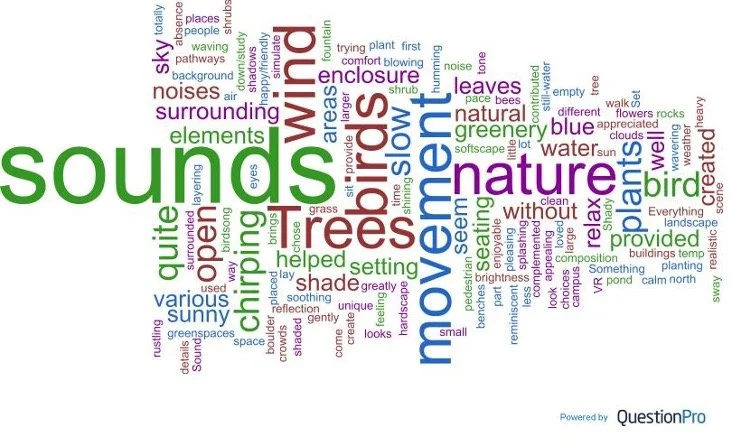
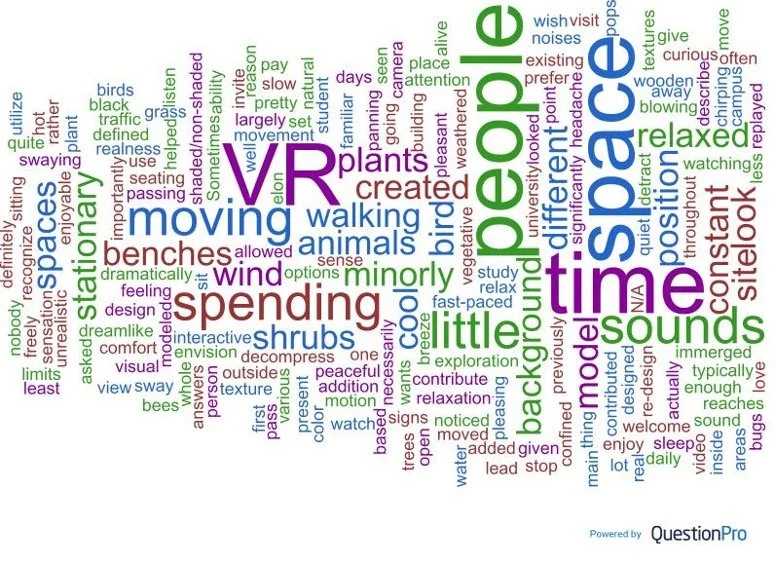
The project explores how therapeutic landscape strategies may help create more relaxing and restorative college campuses. Findings help clarify how therapeutic planting strategies may contribute to restorative campus environments that better support student well-being.
Investigating Relationships between Planting Design and Mental Well-being on College Campus
The percentage of college students reporting symptoms of stress, anxiety, and depression has increased within the last ten years, and although the benefits of therapeutic landscape design have been well documented, little is known about their potential effects in the campus environment. College campuses have, historically, not been designed specifically with the mental well-being of students in mind. This exploratory study investigates the potential relationship of student well-being with therapeutic planting design strategies using the Attention Restoration Theory (ART) framework. In this study, college students were exposed to one of two campus environments using virtual reality, one designed with therapeutic garden elements and the other with more traditional campus plantings. They were given a survey following the virtual reality experience, where they were asked questions designed to measure perceived restorative and relaxing qualities of the environment. Qualitative data were also analyzed regarding the students' perception of common features of therapeutic planting design and their opinion of features that made the environment feel relaxing and restorative.